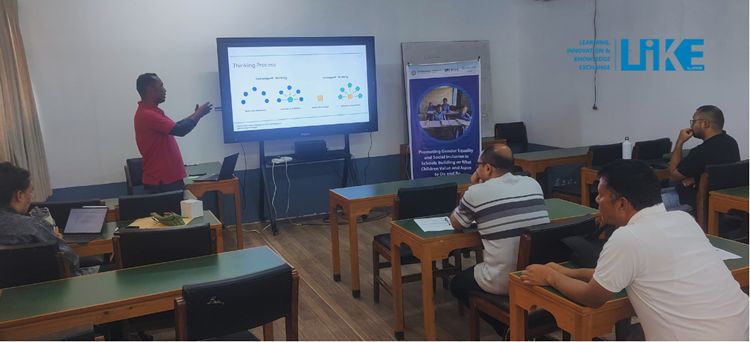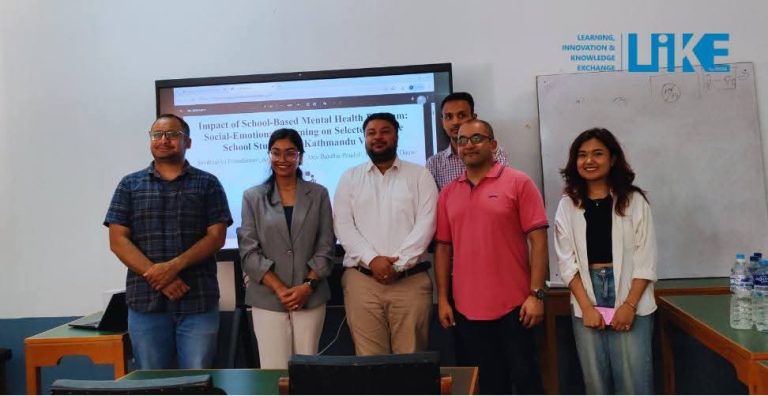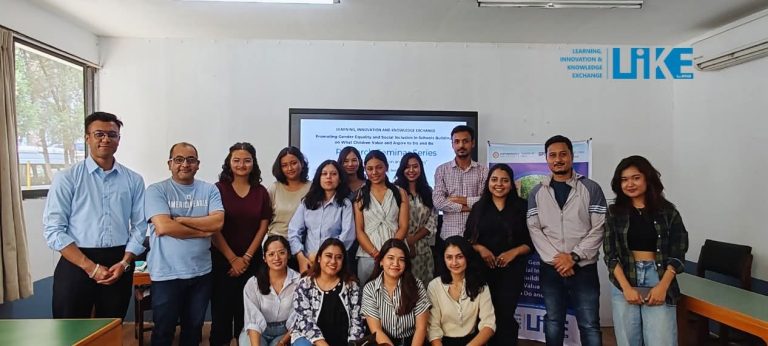
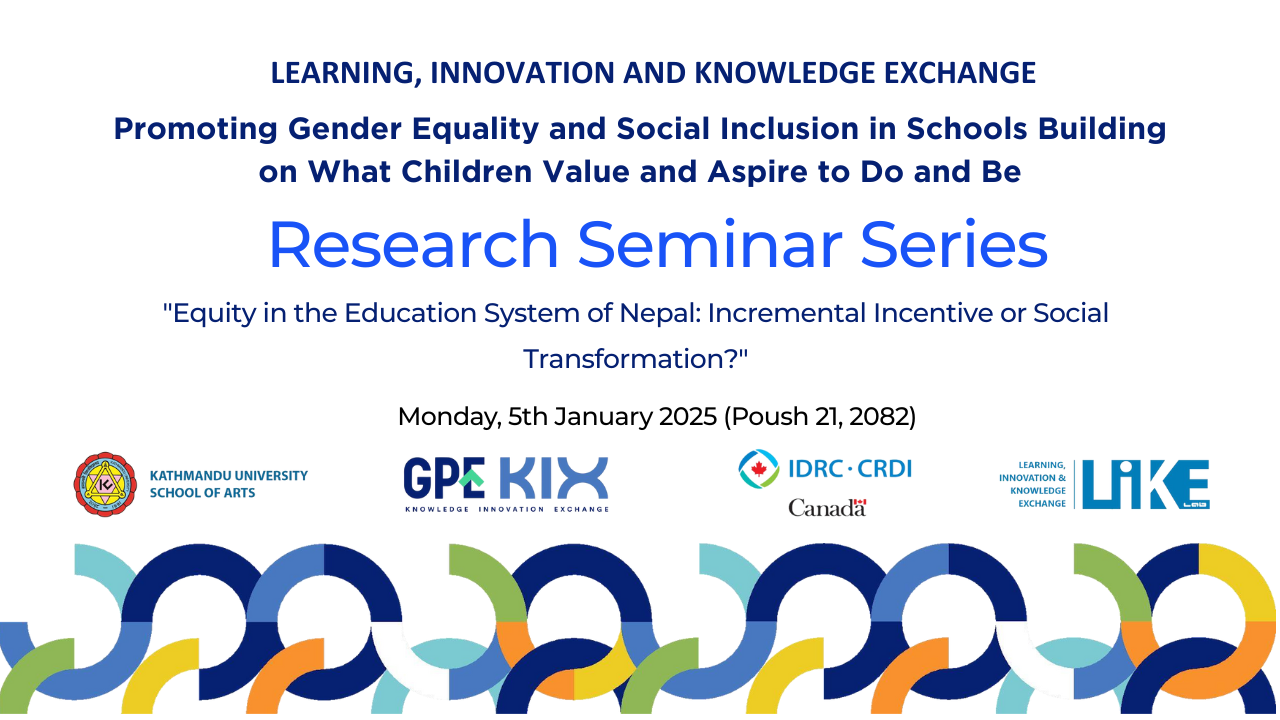
BALKUMARI, LALITPUR, 5th January, 2026 – The seminar featuring Raj Kumar Gandharba, Global Policy Lead at VSO International presenting his study, “Equity in the Education System of Nepal: Incremental Incentive or Social Transformation,” issued a stark warning: Nepal’s educational framework is trapped in a cycle of “policy chaos” that prioritizes incremental charity over the transformative constitutional rights of Dalit children.
The “Bichara” Trap: Moving Beyond Pity
A central theme of the presentation was the need for a decolonial shift in how the state views Dalit students. Gandharba argued that these children are often viewed through the lens of “Bichara” (pitiable/helpless), a patronizing perspective that reduces them to passive recipients of charity.
“Dalit children are not victims to be pitied; they are rights-holders,” Gandharba stated. He emphasized that true education reform must move away from this mindset and empower students to claim what is constitutionally theirs.
Structural Failures and “Policy Chaos”
The current annual scholarship of Rs. 400 was labeled as “tiny” and “fragmented.” It fails to address the economic reality of children who must often balance labor with schooling.
Access to a classroom does not equal inclusion. The study found that Dalit children face severe stress, caste-based labeling, and a lack of support from both teachers and the wider community.
Policymakers for using budget constraints as a shield to manage expectations rather than fulfilling legal mandates.
“Policy on paper is nothing if utilization is missing. If the system does not work for Dalit children, the system is not working at all.” — Raj Kumar Gandharba
The seminar concluded with a call to dismantle the “top-down” approach that ignores the lived experiences of marginalized groups. Participants discussed the “paradox” of power, where high-level officials claim policy success without evidence, creating a social illusion that masks the reality of those left behind – LEAVE NO ONE BEHIND (LNOB).