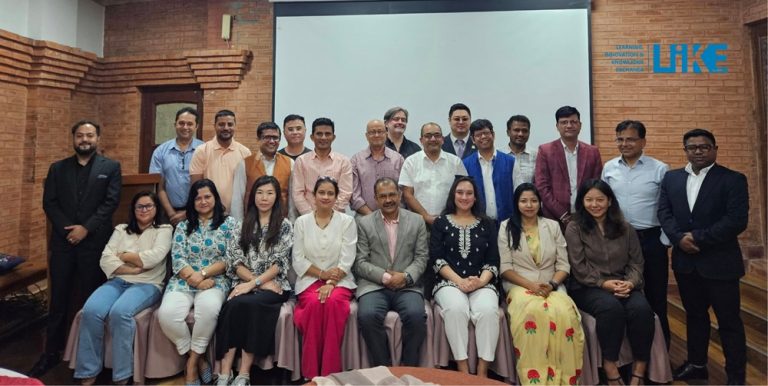
HATTIBAN, LALITPUR, 27th November, 2025 – A Knowledge Sharing Program titled “Disabilities in Educational Settings” convened educators working with Children with Disabilities (CWDs) and People with Disabilities (PWDs) to discuss the lived experiences, challenges, and systemic gaps faced by Children with Disabilities (CWDs) in Nepal’s education system. Organized by the Learning, Innovation and Knowledge Exchange (LIKE) Lab, Kathmandu University, the program brought together participants from specialized institutions across the country.
Persistent Gaps and Emerging Opportunities
The session addressed how societal perceptions of disability in Nepal have evolved over time, with participants noting a shift from limited technological support in earlier years to improved digital accessibility today. Participants shared insights on the challenges faced by children with intellectual, hearing, and visual disabilities in classroom settings.
Key barriers included limited sign language proficiency among parents and teachers, a restricted vocabulary in Nepali Sign Language, unequal access to assistive technology, insufficient braille materials and adaptive resources, difficulties in screening intellectual disabilities, and persistent societal stigmas that hinder recognition and acceptance of children with disabilities. Participants also emphasized the ongoing gap between Nepal’s inclusive education policies and actual practice in schools, pointing to weaknesses in curriculum adaptation, assessment accommodations, resource provision, and accessible infrastructure.
Recommendations emerging from the discussion included strengthening vocational education pathways, increasing access to writers and interpreters during examinations, expanding community-based sign language training, and improving school infrastructure to align with accessibility standards. They highlighted growing mental health concerns among PWDs and the disconnect between reported achievements in NGO/INGO spaces and realities on the ground. The participants reiterated the need for continued dialogue and collaboration to ensure equitable learning environments for all children and persons with disabilities.