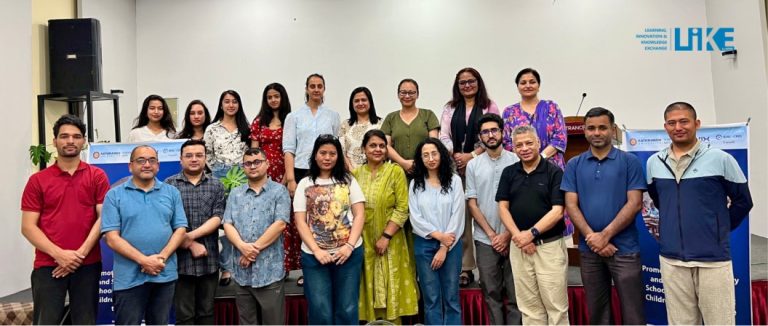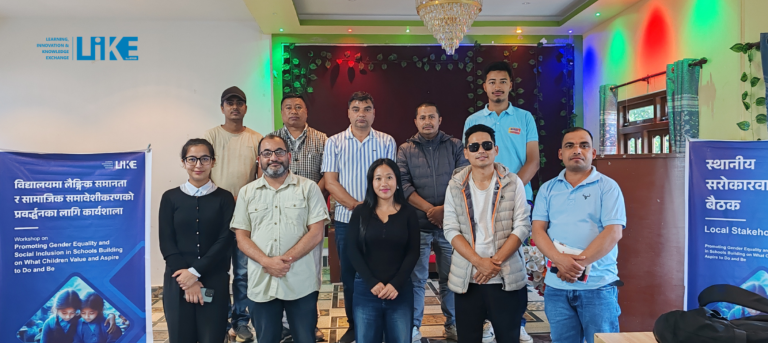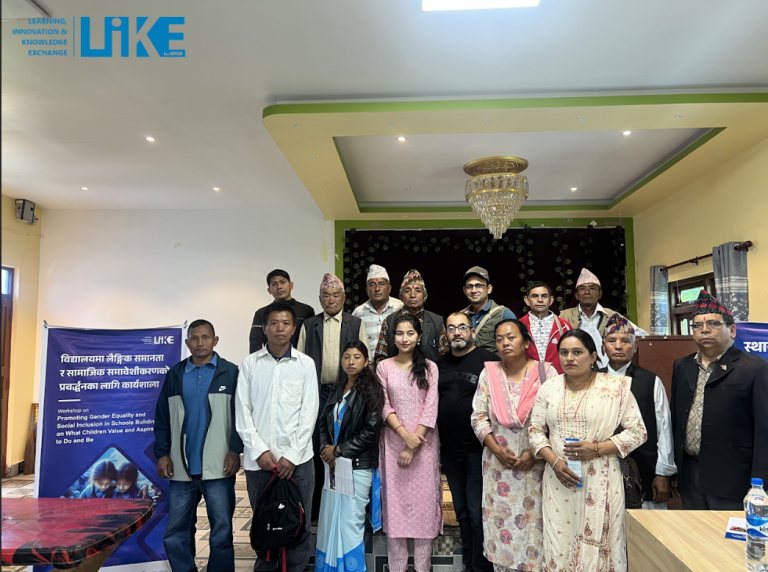
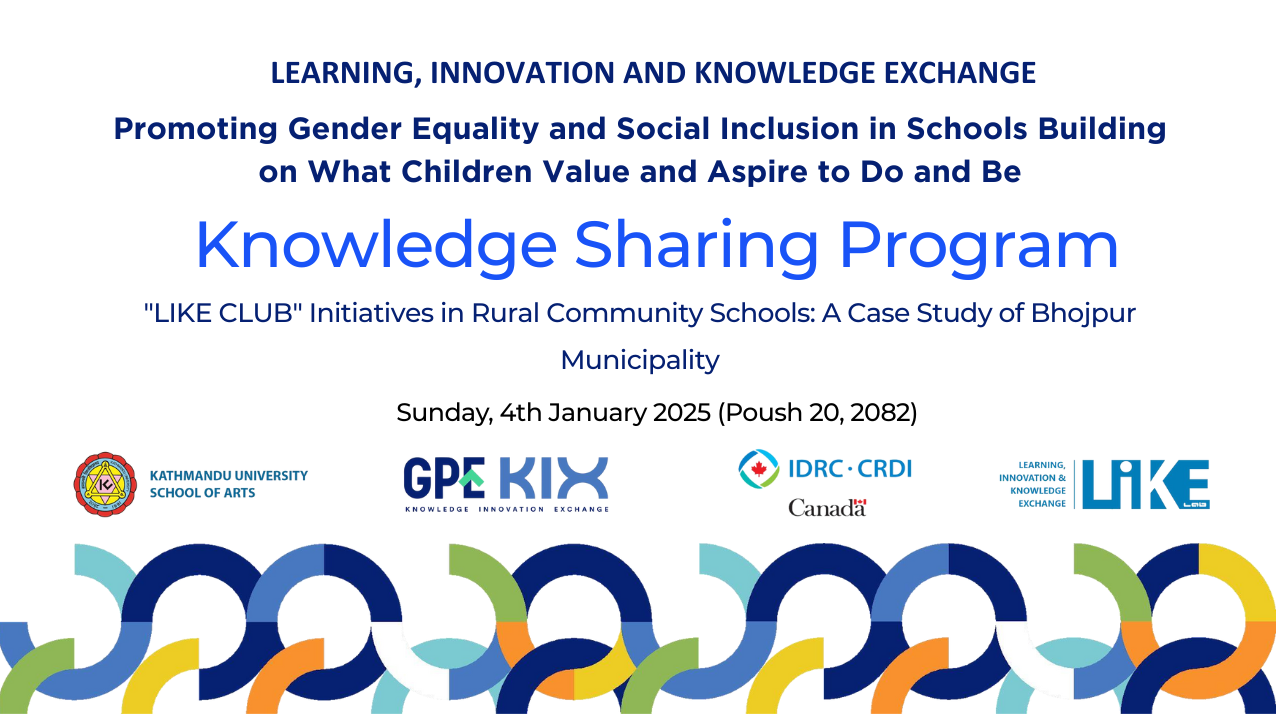
KATHMANDU, NEPAL – A knowledge sharing program was organized at Martin Chautari in collaboration with Learning, Innovation and Knowledge Exchange (LIKE) Lab, Kathmandu University School of Arts to disseminate findings from a recent case study on ““LIKE Club Initiatives in Rural Community Schools: A Case Study in Bhojpur Municipality” by Ms. Utkrishta Sharma, Junior Researcher at LIKE Lab.
The program brought together researchers, education practitioners, and development professionals to critically reflect on child participation, gender equality, social inclusion, and the institutional readiness of schools to sustain student-led initiatives. The study outlines Nepal’s strong policy and legal frameworks that support child participation, including provisions in the Constitution of Nepal, the Children’s Act, and child-friendly governance and school frameworks.
The program discussed several opportunities for strengthening LIKE Child Clubs, including high student willingness to participate, availability of school spaces, linkages with the curriculum, and access to basic technology. The discussion explored the distinction between LIKE Child Clubs and traditional child clubs, local government support mechanisms, inclusivity-promoting activities, time commitments for students, and the potential for scaling the model to other districts. Concerns regarding overburdening students, economic sustainability, and coordination with PTAs and SMCs were also raised.
Overall, the program reinforced the relevance of evidence-based, child-informed approaches to strengthening child participation and inclusion in schools, while highlighting the importance of institutional support and municipal leadership for long-term impact.